Automating lighting with motion sensors is one of the most convenient and economical solutions for homes and offices. When properly configured, these devices can reduce energy consumption by up to 30%, making the use of light more efficient. However, in practice, many people encounter situations where the light turns on late or, conversely, turns off too quickly. To avoid such problems, it is important to choose and configure the sensor correctly.
There are several types of sensors, each with its own characteristics. Infrared sensors react to heat emitted by the human body and are well suited for indoor use. Ultrasonic sensors detect movement by reflected sound waves and work better in enclosed spaces with obstacles. Microwave sensors are highly sensitive and can “see” even through thin partitions, but sometimes give false alarms. Combined sensors combine two operating principles and provide the highest accuracy, but are more expensive.
When setting up a motion sensor, you should pay attention to three key parameters: sensitivity, delay time, and light level. Sensitivity determines how far and accurately the device responds to movement. An excessive value can cause the sensor to be triggered by drafts, pets, or movement outside the room. Delay time is the interval during which the light remains on after the last movement. The optimal range is considered to be one to three minutes. The light level allows you to set the threshold at which the sensor will be active — this is important so that the device does not turn on the light during the day when there is sufficient natural light.
Adjustment begins with preparing the device: it must be installed correctly, observing the height and angle specified by the manufacturer. Then the minimum values for all parameters are set, after which testing is carried out. The user walks through the sensor’s range, observing its reaction, and gradually adjusts the sensitivity and delay time until the desired result is achieved. If the sensor operates in different lighting conditions, it is worth testing it both during the day and in the evening.
It is very important to avoid common mistakes. There are often cases when the sensor is installed too high or directed towards a window, which leads to false alarms. Another mistake is to set the maximum sensitivity without testing the device’s behavior. In addition, some users forget to disable test mode after the initial setup, which causes the device to continue to behave erratically.
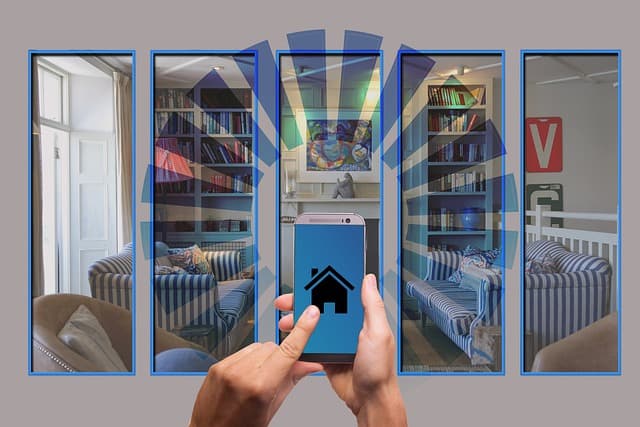
Modern motion sensors often support advanced features. These can include integration with smart home systems, control of multiple lighting zones, and adaptive parameter changes depending on the time of day or the presence of people in other rooms. Such features are especially useful in large homes and offices where flexible and precise lighting control is important.
To ensure that the motion sensor lasts a long time, it needs to be maintained. Periodically clean the housing and lens from dust, check the reliability of the fastenings and connections. It is recommended to diagnose the operation of the device at least once every six months. If false alarms occur, the first thing to do is to review the sensitivity settings and eliminate possible interference.
When properly installed and configured, a motion sensor becomes an indispensable tool for creating a comfortable and energy-efficient space. By spending a little time on calibration and testing, you will get a lighting system that works accurately, automatically, and without unnecessary intervention.